

Developments in Türkiye’s Maritime Industry

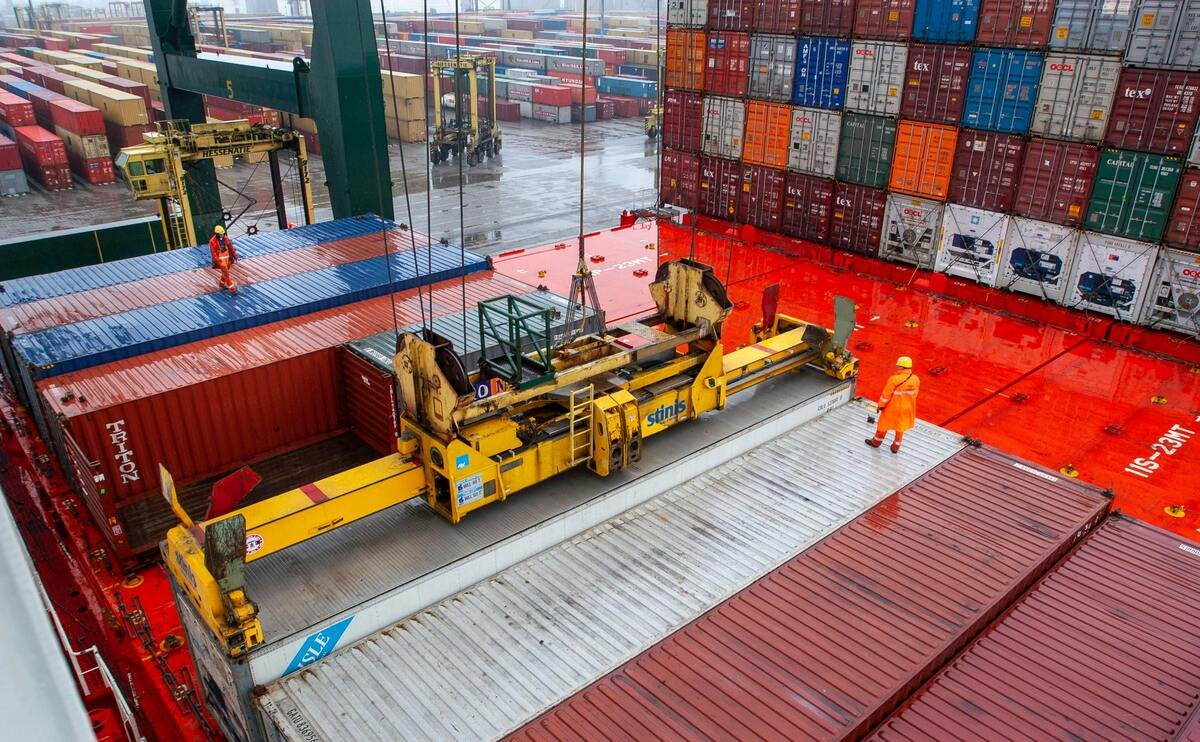
In recent years, the maritime sector in Türkiye has undergone a notable transformation characterized by the expansion of its merchant fleet, modernization of shipyards, and increasing integration into global maritime networks. The rise in vessel tonnage and the commissioning of technologically advanced, environmentally compliant ships have strengthened the country’s competitive position in international shipping. Parallel to these developments, the modernization of shipbuilding infrastructure and investments in innovation have enabled Turkish shipyards to engage in higher value-added production, particularly in niche areas such as tanker construction, offshore vessels, and specialized support ships.
On the infrastructural front, major ports located in the Marmara, Aegean, and Mediterranean regions have expanded their operational capacity and improved logistics integration through public and private sector collaboration. These advancements have supported not only cargo handling efficiency but also the growth of cruise tourism and intermodal transport systems. Additionally, the enhancement of maritime education through universities, vocational institutions, and internationally accredited training programs has contributed to the development of a highly qualified maritime workforce. Collectively, these dynamics have positioned Türkiye as an increasingly influential actor in both regional and global maritime domains.
Rising Maritime Hubs: The Expansion of Türkiye’s Marmara Ports
In the past few years, the Marmara region has emerged as Türkiye’s most rapidly expanding maritime hub, driven by substantial infrastructure investments and increased port capacity. Facilities such as DP World Yarımca, Asyaport in Tekirdağ, and Yılport Gebze have significantly enhanced container handling efficiency and logistics integration. These ports now manage the majority of the country’s container traffic, strengthening Türkiye’s position in regional and global trade routes. The strategic location of the Marmara coastline, combined with private-sector collaboration, has further accelerated its growth and competitiveness.
Asyaport: A Rising Power in Marmara’s Cargo Handling Capacity
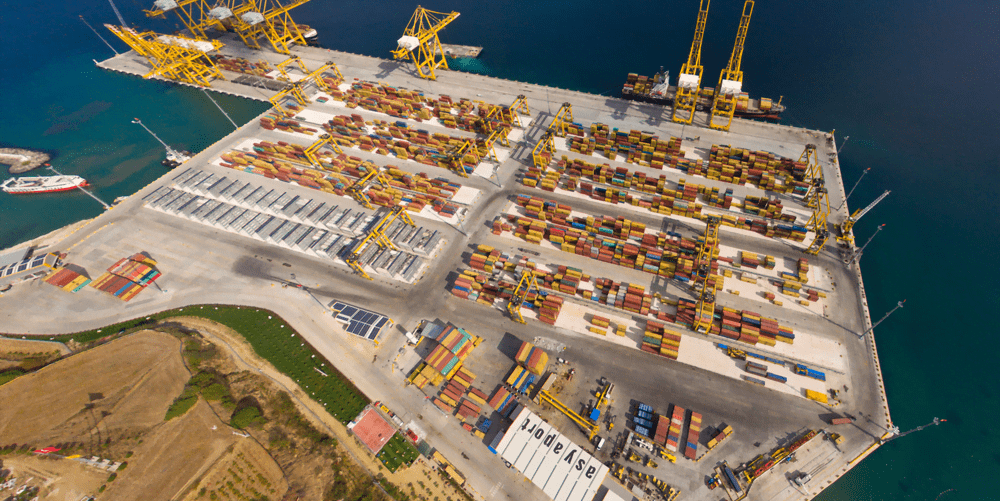
Asyaport, located in Tekirdağ, has rapidly become one of the most dynamic cargo handling facilities in the Marmara region. Through large-scale investments in port infrastructure, equipment modernization, and transit operations, the terminal has significantly increased its annual throughput. Its strategic position on major international shipping routes has strengthened Türkiye’s role in regional logistics and container transshipment. As a result, Asyaport now stands out as a key driver of maritime growth and operational efficiency in the area.
The Rise of Containerized Cargo in Turkey’s Maritime Trade
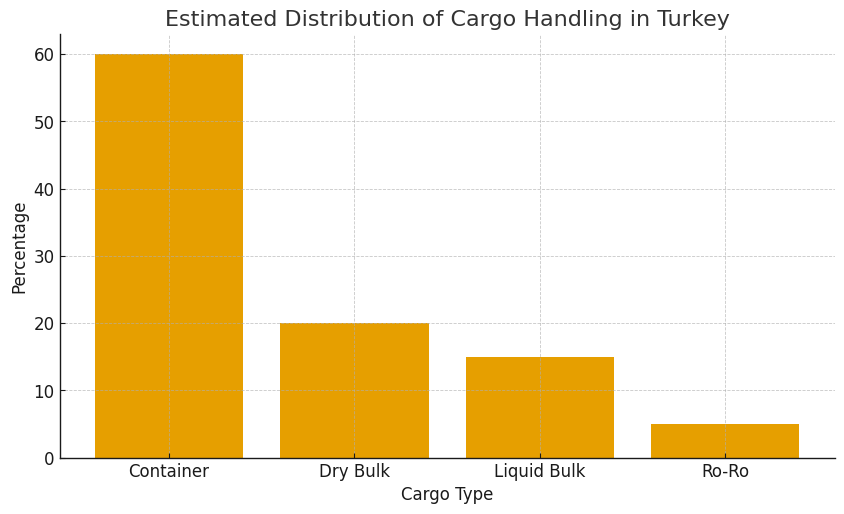
In recent years, containerized cargo has become the dominant segment in Turkey’s maritime logistics, driven by rapid growth in international trade and improved port infrastructure. Major terminals in the Marmara region, such as Asyaport, DP World Yarımca, and Yılport, have significantly increased their container throughput capacity. Investments in intermodal transport, customs digitalization, and free zone integration have further strengthened the role of container shipping. Compared to other cargo types like dry bulk, liquid bulk, and Ro-Ro transport, container handling offers higher efficiency and faster turnaround times. The automotive, textile, machinery, and chemical sectors rely heavily on container logistics for exports and imports. Additionally, transit cargo from Central Asia and the Black Sea region now increasingly passes through Turkish ports. As global trade patterns shift, Turkey’s container terminals are positioning themselves as key regional transshipment and logistics hubs. This upward trend underscores the strategic importance of containerized transport in shaping the future of the country’s maritime economy.
Efficient Port Handling Services in Aliağa
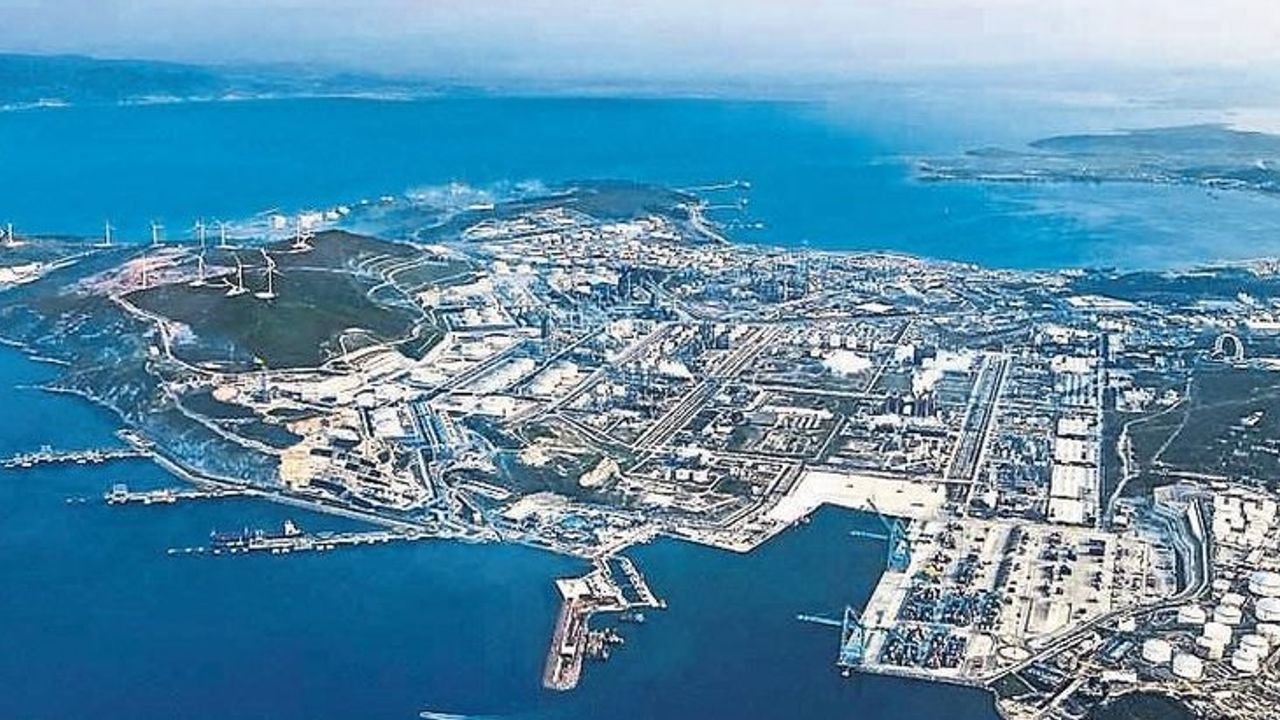
Aliağa’s ports play a key role in Turkey’s industrial and trade network, offering efficient cargo handling services for bulk, liquid, and containerized shipments. Equipped with modern cranes, storage facilities, and advanced logistics infrastructure, these ports ensure smooth and timely loading, unloading, and transshipment operations. They primarily handle petroleum products, chemicals, and various raw materials, supporting both local industries and international trade partners. With strict safety protocols and a focus on operational efficiency, Aliağa’s port services not only facilitate commerce but also strengthen the region’s position as a major industrial hub on the Aegean coast.
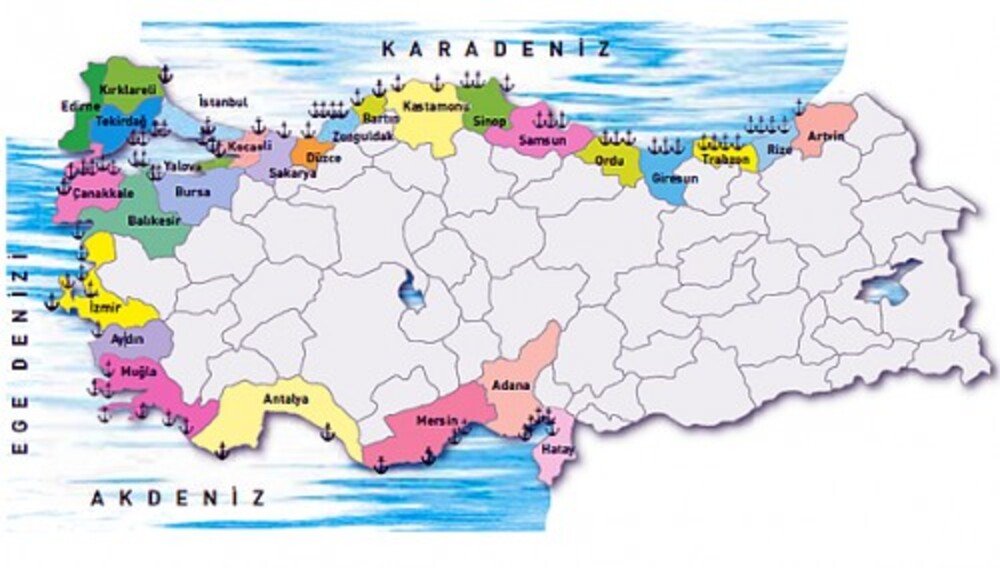
In summary, Türkiye stands out as a safe and reliable region for shipowners. Modern ports, advanced shipyards, and strategic access to key shipping routes ensure smooth and secure operations. Coupled with a skilled maritime workforce and adherence to international safety standards, the country offers both stability and efficiency. For shipowners seeking dependable and well-supported maritime operations, Türkiye is a clear and compelling choice.