

Maritime Supply Chain Excellence: Collaboration, Quality, and Digital Connection

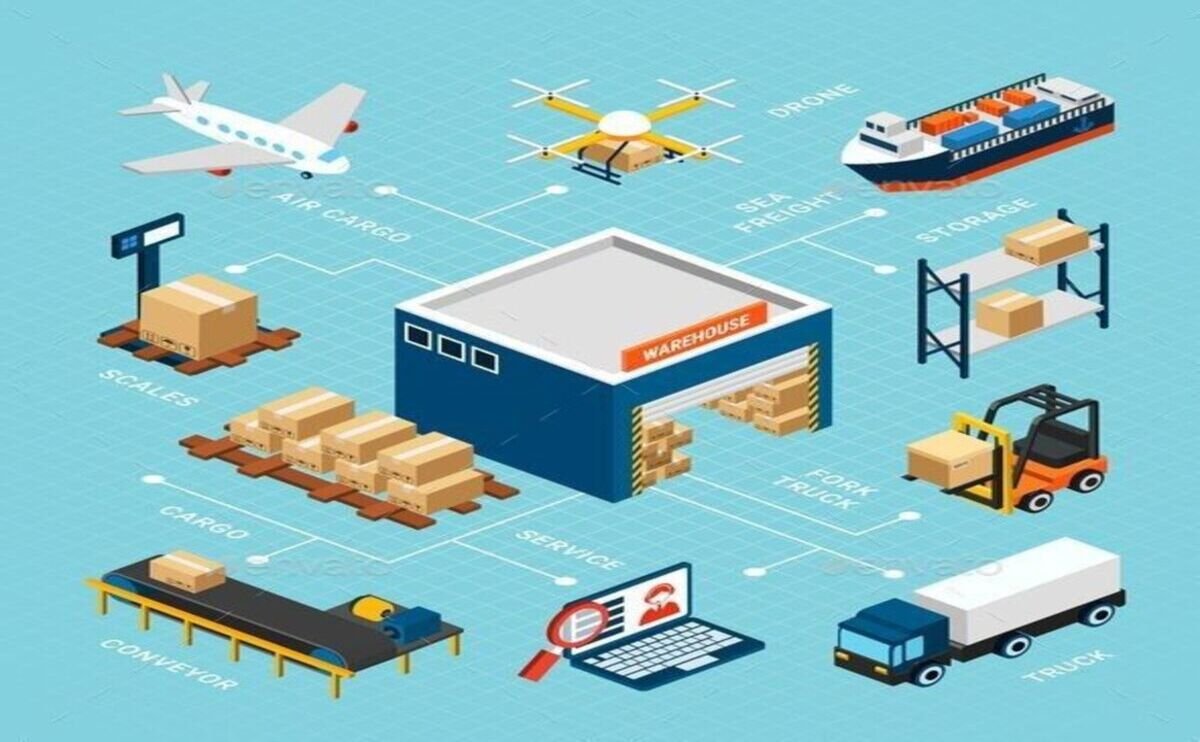
In the maritime industry, a successful supply chain relies on more than just the timely delivery of goods; it depends on strong collaboration between ship personnel, office staff, and supplier company employees. Each group plays a vital role in identifying needs, planning deliveries, and ensuring compliance with regulations. Officers on board provide accurate technical requirements based on real-time operational demands, while office personnel coordinate budgets, approvals, and logistics. Supplier representatives contribute by sourcing the right products, arranging transportation, and offering technical guidance when needed. When these three teams communicate clearly and respect each other’s responsibilities, delays are reduced, errors are avoided, and the overall workflow becomes more efficient. This level of coordination also supports better planning for port calls, emergency orders, and long-term maintenance strategies. Ultimately, collaboration is not just a benefit but a necessity for a smooth and resilient maritime supply chain.
Another core element of an effective supply chain is the correct selection of materials and equipment. Using the wrong product can lead to safety risks, operational failures, or costly delays at sea. That is why choosing certified, durable, and vessel-specific materials is essential. Suppliers should be familiar with class requirements, flag state rules, and industry standards when proposing solutions. Office staff must verify that quotations match both the technical specifications and financial constraints. Meanwhile, ship personnel should provide detailed feedback on performance, compatibility, and urgent needs. This mutual exchange of knowledge ensures that the right item reaches the right vessel at the right time. In the long run, investing in quality materials prevents breakdowns, reduces waste, and supports environmental responsibility. A well-managed supply chain built on cooperation and accurate material selection helps maritime companies maintain safety, efficiency, and competitiveness in a demanding global market.
Collaborative Communication Across All Departments
Effective communication is the backbone of a strong maritime supply chain. Ship personnel, office teams, and suppliers must maintain open and timely dialogue to avoid misunderstandings and delays. When captains, chief engineers, and purchasing officers share accurate information, suppliers can plan deliveries more efficiently. Regular coordination meetings and digital communication tools help ensure that urgent needs are acknowledged and prioritized. A culture of proactive communication also minimizes the risk of duplicated orders, unclear specifications, or logistical confusion. Ultimately, collaboration across departments strengthens operational reliability and builds long-term trust among stakeholders.

Accurate Needs Assessment and Specification Management
A successful procurement process begins with a correct understanding of what is needed onboard. Ship personnel should provide precise technical details, catalog numbers, and quantities based on real operational demands. Office staff then translate these requirements into purchase orders aligned with the company’s procedures and budget. Suppliers rely on this accuracy to offer compatible and compliant products without delays. Miscommunication or incomplete specifications can result in wrong items, wasted time, or expensive returns. By standardizing request formats and using shared databases, companies can streamline the assessment process and ensure consistency across their fleets.
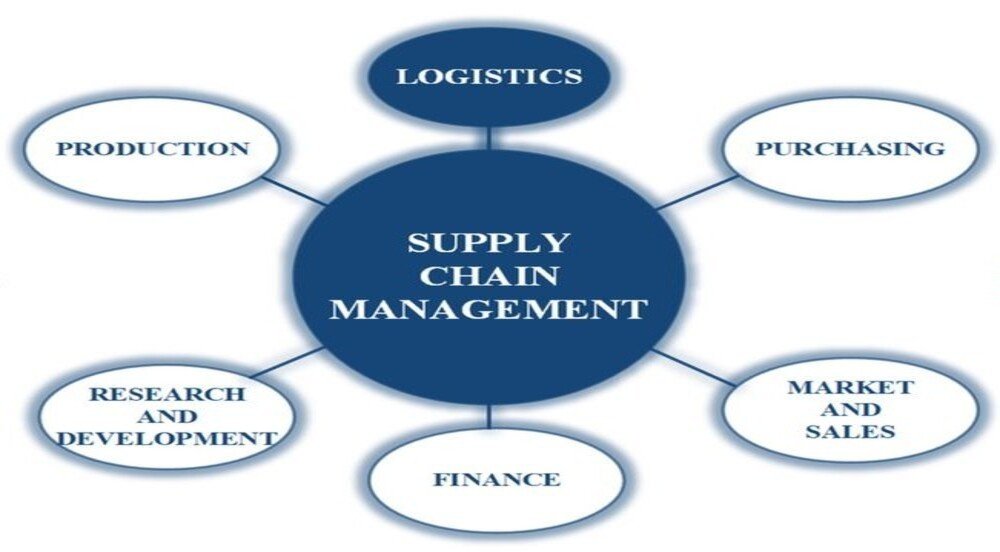
Strategic Supplier Partnerships and Quality Assurance
In maritime operations, not all suppliers deliver the same value, so choosing reliable partners is essential. Companies benefit when they work with vendors who understand international regulations, classification requirements, and vessel-specific needs. These suppliers can recommend high-quality, certified materials that improve safety and efficiency. Quality assurance procedures—such as document control, inspections, and performance evaluations—help verify that delivered goods meet expectations. Long-term cooperation with trusted suppliers also leads to better pricing, faster service, and improved technical support. Strategic partnerships reduce uncertainties and contribute to a more resilient supply chain structure.

Material Selection and Long-Term Cost Efficiency
Correct material selection directly affects safety, operational performance, and maintenance costs onboard ships. Using certified, durable products reduces the frequency of replacements and prevents breakdowns that could disrupt voyages. Office staff should balance budget planning with long-term value, rather than focusing solely on the lowest price. Suppliers must ensure that the products comply with class rules and environmental standards before dispatch. Meanwhile, feedback from ship personnel provides insight into how materials perform under real conditions. This cycle of selection, evaluation, and improvement helps companies achieve cost efficiency without compromising quality.

A resilient and efficient maritime supply chain is not built on single efforts but on the collective strength of coordination, accuracy, and shared responsibility. When ship personnel, office teams, and suppliers operate with mutual respect and transparency, every stage—from planning to delivery—flows with fewer errors and delays. Accurate specifications and timely feedback ensure that the right products reach vessels without compromising safety or compliance. Strategic partnerships with knowledgeable suppliers further enhance reliability and cost control. Platforms like Shipnection play a vital role in this ecosystem by directly connecting end buyers with trusted, sector-specific suppliers. By matching needs with the right providers, Shipnection helps eliminate time loss, miscommunication, and uncertain sourcing. Investing in certified materials and long-term quality reduces unexpected breakdowns and supports operational continuity. At the same time, open communication channels help prevent confusion, reinforce trust, and accelerate decision-making. This collaborative structure not only improves daily performance but also strengthens a company’s global competitiveness. Ultimately, a well-managed supply chain—supported by solutions such as Shipnection—safeguards profitability, sustainability, and maritime safety in an increasingly demanding industry.
Praesent Iaculis sit Vehicula
Lap. 4 Tellus A17-B27
Lorem ipsum dolor sit amet, consectetur adipiscing elit. Ut elit tellus, luctus nec ullamcorper mattis, pulvinar dapibus leo.
Subtitle text exampleTitle text example
Text after title text example